


Access a network of specialized financial partners
in RPAs and RIs.
How to Finance an RPA or an RI?
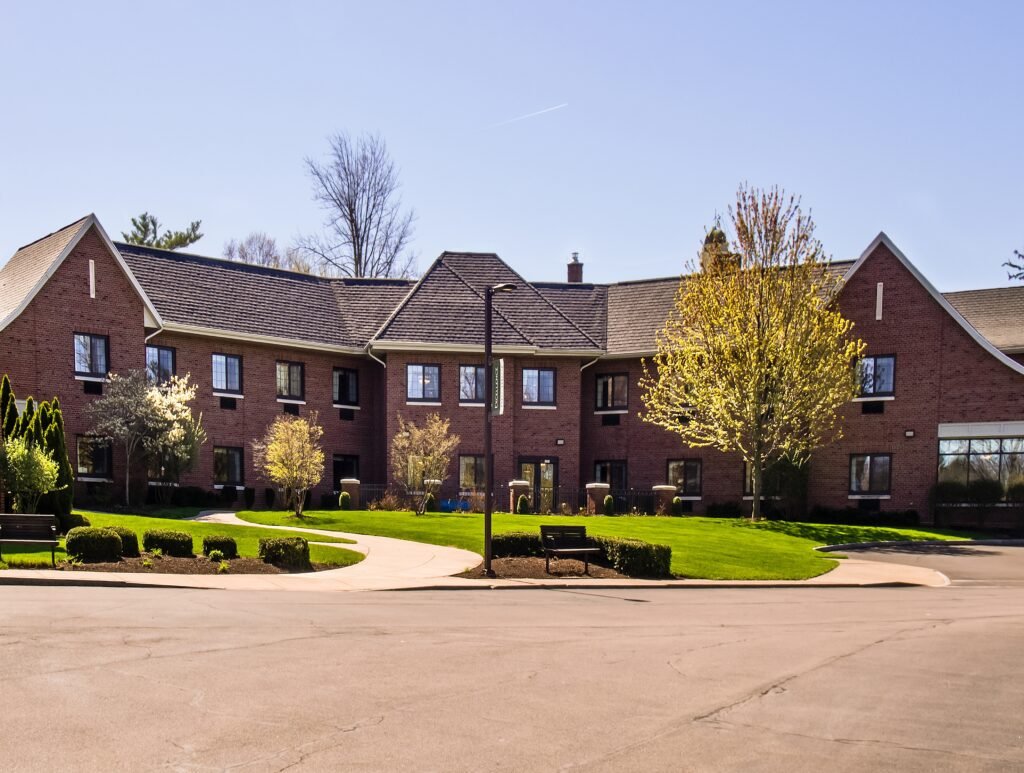


Financing

Investing in a Private Seniors’ Residence (RPA) or in an Intermediate Resource (RI) in Quebec is a promising opportunity, but the financing process requires rigorous planning and in-depth knowledge of available options. Financial institutions, such as banks, offer customized solutions to meet the demands of this growing market.
Financing Criteria
Project Size
Choose the Right Financial Product : Small RPAs and small RIs often benefit from standard mortgage loans. More ambitious projects (50 units or more) require tailored commercial financial solutions.
Collateral Value
An Essential Criterion : The property appraisal determines the mortgage collateral. A professional appraisal, required by banks, is a key investment.
Profitability and Financial Viability
Banks will review your financial projections to assess short- and long-term profitability.
Your Credit Profile and Experience
A good credit history and expertise in the RPA or RI field strengthen lender confidence.

Frequently Asked Questions
Tout Savoir sur le Financement des RPA et des RI
Options include conventional loans from financial institutions, vendor take-back financing from previous owners, and private investors or financial partners
A conventional loan is a commercial loan offered by banks and financial institutions. It generally requires a higher down payment (20% to 35%) and a rigorous assessment of the property and the borrower’s management experience. The interest rate is determined on a case-by-case basis.
Lenders generally require a minimum of 5 years of relevant experience in seniors’ housing, proven management experience, and strong financial solvency. For RIs, personal criteria such as good physical and psychological health, and the absence of a criminal record are also required.
Banks consider the project size, profitability, real estate collateral, and the borrower’s profile.
Banks will require a minimum down payment of 30% to 50%.
Options include standard and commercial mortgage loans, tailored to the project size.
Timelines vary from 60 to 90 days
Yes, it is possible to explore vendor take-back financing (where the seller finances part of the purchase), private investors or financial partners, and the Canada Small Business Financing Program (CSBFP) for small businesses.
The DSCR measures a property’s ability to generate sufficient revenue to cover its debt obligations. It is calculated by dividing the net operating income (NOI) by the total debt service (TDS). It is a critical metric for lenders, as it indicates the financial health of the project and the risk of default.
While the general starting point for commercial mortgages is a DSCR of 1.25x, lenders often prefer a higher ratio for “housing with services” properties (such as RPAs and RIs), with expectations that can reach approximately 1.50x. A ratio of 2 or more is considered very healthy.
Compliance with government standards (fire safety, health, hygiene, quality of care) is a legal imperative and a key factor for lenders. Non-compliance can lead to significant costs and affect the viability of the business, increasing the risk perceived by lenders.